
Rerouting Minds
Pharmaceutical LSD used in a clinical context has transformative potential to support positive mental pathways and forge enduring outcomes.1,2
A Full Circle Moment for LSD
A new era of research is unfolding for lysergic acid diethylamide, or LSD
After a decades-long ban on research, a growing body of promising evidence from well-controlled, scientifically rigorous clinical studies has emerged, exploring the potential of psychedelics—like LSD—to shape how we treat mental health disorders.3
This psychedelic renaissance is bringing treatments like LSD full circle, positioning them as potentially transformative tools that psychiatrists and therapists could consider alongside currently available treatments, like therapy, to promote better patient outcomes. This moment demands demonstrated safety, efficacy, and product purity. It’s time to shift our perceptions of pharmaceutical LSD and explore its potential to reroute minds.
The need for innovation in mental health care has never been greater 4,7,8
Currently, there are significant limitations to existing treatments, including chronic daily dosing, slow onset of effect, poor tolerability, and difficulty with adherence, leading to discontinuation.7,8 Because of this, many patients must try multiple treatments, compounding disorder burden and frustration—ultimately leaving them and their providers feeling ongoing distress and disappointment in the current standard of care.

Neuroplasticity—also known as neural plasticity or brain plasticity—is the brain’s remarkable capacity to rewire itself on a microscopic scale.9 Throughout a person’s life, the brain responds to internal and external stimuli, making tiny structural and functional changes.9
The changes from neuroplasticity can be beneficial and adaptive, allowing for foundational development, memory formation, skill acquisition and healthy aging. They can also be maladaptive—the underlying cause of chronic distress manifesting in mental health disorders and somatic symptoms.9,10 Neuroplasticity can interrupt maladaptive neuronal communication in the brain, so new synaptic connections can form between those neurons, providing the opportunity to break out of negative cycles.10
Certain psychedelics, such as LSD, are believed to catalyze periods of accelerated neuronal growth, thereby enhancing neuroplastic changes.11
At a molecular level, the precise pathways promoting plasticity are not fully understood. Psychedelics are known to exert their distinctive perceptual, cognitive, and affective effects primarily through activation of serotonin (5-HT) 2A receptors.2,11
Mechanistic hypotheses implicate LSD-induced, transient psychological effects—mediated by activation of the 5-HT2A receptor—and lasting increases in positive functional and structural brain changes in a variety of brain regions as potentially responsible.1
LSD is particularly potent at stimulating the 5-HT2A receptor, with profound effects with lower doses compared with other psychedelics, potentially leading to more sustained plasticity.11
Another key proposed mechanism of LSD and other similar psychedelics is activation of glutamate transmission secondary to the 5-HT2A receptor stimulation, although these interactions are not fully understood.2,11
It is thought that LSD has a dual mechanism: the molecule’s 5-HT2A receptor binding—leading to the acute experience of the patient—and the downstream activation of neurobiological pathways. This dual mechanism together enhances clinical effects, potentially accounting for reductions in anxiety that are rapid and lasting without the burden of side effects associated with the current standard of care.2,11
The History of LSD Research
After political and legal barriers prohibited research for more than 50 years, we are entering a new era of clinical research for LSD.
LSD was discovered by Swiss chemist Albert Hofmann, beginning research into psychedelics and years of psychiatric research into the category.12

Research into LSD flourished, making it the most studied psychedelic. For a time, the product was even marketed by a global pharmaceutical company for research into various psychiatric indications.12,13
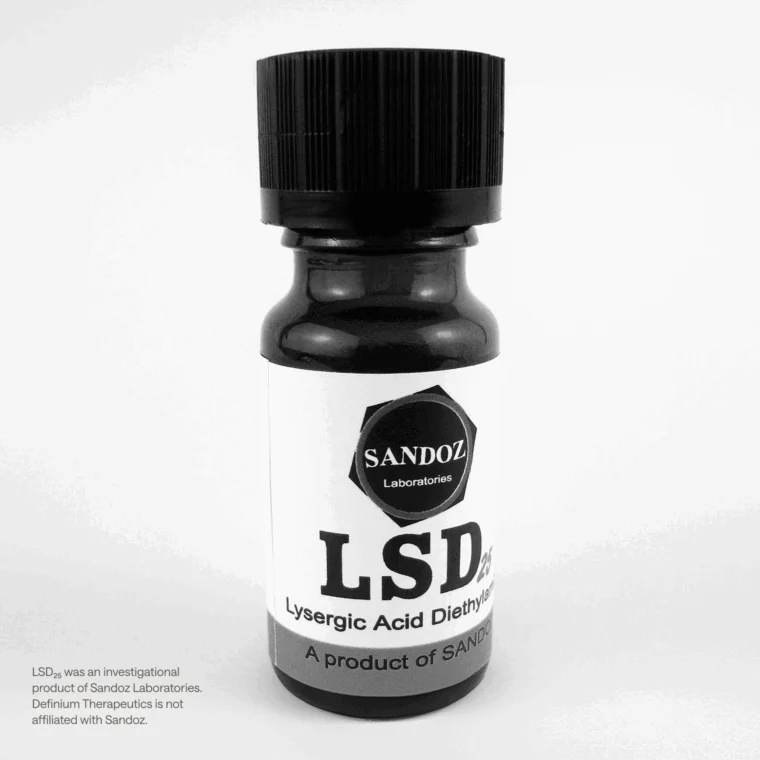
Despite its therapeutic promise, complex sociopolitical and cultural dynamics unrelated to medicine, played a large part in LSD being classified as a Schedule 1 controlled substance in the U.S. essentially halting its clinical research.12

LSD is experiencing a modern renaissance characterized by rigorous clinical trials designed to explore and generate regulatory-grade evidence about what it may be able to offer patients living with mental health disorders.
Expert Perspectives
78% of interventional psychiatry providers surveyed agreed that psychedelic treatments are poised to radically transform the treatment paradigm of certain disorders.14

“The mental health treatments that are currently approved and available today are intended to treat symptoms, yet those symptoms persist for millions.
Psychedelic therapy is believed to work by targeting the mechanisms that underlie the symptoms. Our field is eagerly following the science to understand how this promising new approach can be integrated into our practices to help patients find relief.”
Jennifer Mitchell, Ph.D., Professor, Neurology, UCSF Weill Institute for Neurosciences

“We are at a true turning point in the field of psychiatry. Now, psychedelics are being studied with modern scientific rigor in the control of a healthcare clinic.
This momentum represents a critical step toward expanding effective options for those suffering with mental health disorders.”
Maurizio Fava, M.D.
Chair of Mass General Brigham Department of Psychiatry

A Modern Approach to Research
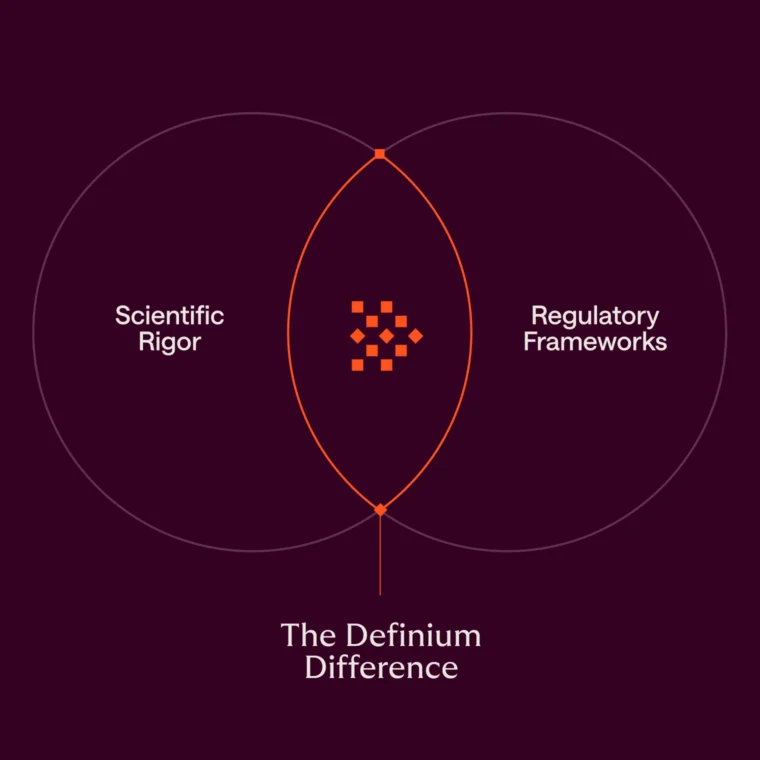
The Definium Difference
Definium Therapeutics’ unique approach merges scientific rigor and regulatory frameworks.
We are forging a new era of psychiatry by advancing controlled clinical trials that will help us explore efficacy and safety while ensuring physicians and public health professionals understand the potential role of pharmaceutical LSD in the therapeutic setting.
We are deeply committed to using defined, proven regulatory frameworks and principles. Through a deliberate and disciplined approach, and robust collaboration with patients, scientists, clinicians, policymakers, and advocacy groups, we aim to one day deliver safe, effective and accessible pharmaceutical LSD to patients.
Paving the Pathway to the Future
Our understanding of pharmaceutical LSD in a clinical context and its ability to promote better outcomes will continue to evolve. And with it, we must evolve our perceptions. Consider rerouting your own perceptions about the transformative potential of LSD.

Learn more about research, innovation, and the practice of psychedelic medicine at BrainFutures

Discover our latest clinical trials that are paving the way for psychedelics to treat mental health disorders

Hear the latest from ABC and ACNP on the promise of psychedelics in brain health
Stay in touch
- Robison R, Barrow R, Conant C, et al. Single Treatment With MM120 (Lysergide) in Generalized Anxiety Disorder. JAMA. 2025;334;(15):1358-1372.
- Liechti M. Modern Clinical Research on LSD. Neuropsychopharmacology. 2017;42(11):2114-2127.
- Kurtz JS, et al. The Use of Psychedelics in the Treatment of Medical Conditions: An Analysis of Currently Registered Psychedelics Studies in the American Drug Trial Registry. Cureus. 2022;14(9):e29167.
- Mental Illness. National Institute of Mental Health. https://www.nimh.nih.gov/health/statistics/mental-illness. Accessed November 2025.
- Rush AJ, et al. Acute and longer-term outcomes in depressed outpatients requiring one or several treatment steps: A STAR*D Report. Am J Psychiatry.
- FDA approves Cymbalta for treatment of generalized anxiety disorder. News release. Lilly; February 26, 2007. Accessed November 2025. https://investor.lilly.com/static-files/499f0aa3-281f-49f4-9655-049aae179593.
- Gartlehner G, Hansen RA, Morgan LC, et al. Comparative benefits and harms of second-generation antidepressants for treating major depressive disorder: an updated meta-analysis. Ann Intern Med. 2011;155(11):772-785.
- Machado-Vieira R, Baumann J, Wheeler-Castillo C, et al. The Timing of Antidepressant Effects: A Comparison of Diverse Pharmacological and Somatic Treatments. Pharmaceuticals (Basel). 2010;3(1):19–41.
- Puderbaugh M, et al. Neuroplasticity. StatPearls [Internet]. Treasure Island (FL): StatPearls Publishing; 2023. https://www.ncbi.nlm.nih.gov/sites/books/NBK557811/. Accessed November 2025.
- Gazerani P. The neuroplastic brain: current breakthroughs and emerging frontiers. Brain Res. 2025:1858:149643.
- Calder AE, et al. Towards an understanding of psychedelic-induced neuroplasticity. Neuropsychopharmacology. 2023;48(1):104-112.
- LSD Toxicity. Medscape. https://emedicine.medscape.com/article/1011615-overview. Accessed November 2025.
- Baquiran M, Keyes D, Al Khalili Y. Lysergic Acid Diethylamide Toxicity. [Updated 2023 Dec 17]. In: StatPearls [Internet]. Treasure Island (FL): StatPearls Publishing; 2025. https://www.ncbi.nlm.nih.gov/sites/books/NBK553216/. Accessed November 2025.
- Internal data on file